


The holidays are a time for family, celebration, and travel — and for many of us, that includes bringing our pets along for the adventure! Whether you’re taking a road trip to visit relatives, flying across the country, or boarding your furry friend while you’re away, a little preparation can make all the difference in keeping your pet safe, comfortable, and healthy.
Update Vaccinations Before You Go
Even if your pet is typically a homebody, traveling or boarding exposes them to new environments, animals, and germs they may not encounter regularly. That’s why your pet’s pre-travel checklist should include reviewing vaccines that aren’t always part of their standard annual routine.
Recommended travel and boarding vaccines include:
For dogs:
All dogs should always be current on their Rabies and DHPP (Distemper, Hepatitis, Parvovirus, Parainfluenza) vaccines — and if they’re not, they most certainly should be before traveling or boarding. These vaccines protect against several highly contagious and life-threatening diseases that are required for travel or boarding.
In addition to those core vaccines, consider the following travel-specific protection:
- Bordetella (Kennel Cough): Highly contagious and spread through the air, Bordetella can be picked up anywhere dogs gather — from boarding and grooming facilities to hotel pet areas or dog walk zones at highway rest stops and gas stations.
- Canine Influenza (Dog Flu): Similar to the human flu, canine influenza spreads easily in shared spaces such as boarding facilities, dog parks, or pet relief areas on the road. It can cause coughing, fever, and fatigue, and many facilities now require this vaccine.
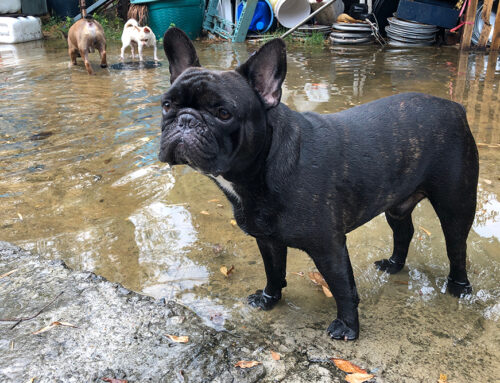
- Leptospirosis: For pets traveling to areas with lakes, wildlife, or standing water, the Leptospirosis vaccine helps protect against a serious bacterial infection that affects the kidneys and liver — and can spread to people.
For cats:
Even if your cat is mostly indoors, travel can bring new exposure risks. Make sure your cat is up to date on their FVRCP and rabies vaccines. If your cat will be boarding, staying with other cats, or spending time outdoors at your destination, your veterinarian may also recommend the Feline Leukemia (FeLV) vaccine. FeLV protects against a contagious virus spread through saliva and close contact with other cats — making it especially important for cats in social or shared environments.
Plan for Comfort and Safety
- Bring familiar items — their bed, blanket, or favorite toy can reduce stress in new surroundings.
- Stick to their regular diet to avoid stomach upset, and bring extra food and medication in case of delays.
- Keep ID tags and microchip information updated. Traveling can increase the risk of pets getting lost.
- Use secure carriers or harnesses during car or air travel to keep pets safe.
Cat travel tip: Cats feel safest in enclosed spaces. Choose a sturdy, well-ventilated carrier with soft bedding, and cover it with a light blanket to reduce visual stress. For longer trips, plan regular stops to offer water and check on your cat’s comfort.
Reduce Holiday Stress
Changes in environment, routine, and noise can make both dogs and cats anxious. If your pet gets stressed while traveling or boarding, talk to your veterinarian about calming options — from supplements and pheromone sprays to short-term anxiety medications.
Schedule Your Pet’s Travel Checkup Early
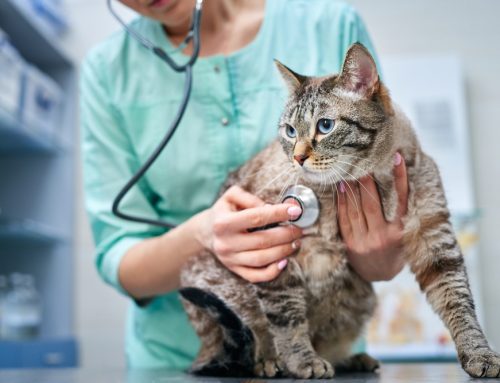
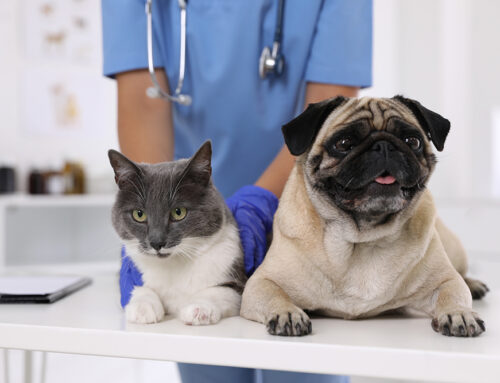
Before your holiday trip, make sure your pet is healthy, up to date on vaccines, and ready for travel or boarding. Many boarding facilities require vaccine records at least 7–10 days before check-in, so schedule ahead to avoid the holiday rush.
At Caring Hands Animal Hospital, we’re here to make sure your pets stay happy, healthy, and protected wherever the holidays take you.
Call us in Lake City or Live Oak today to schedule your pet’s pre-travel wellness visit and ensure they’re ready for a safe, stress-free trip.




Leave A Comment